

A brief pressure change when the trigger is first pulled can be normal. However, if the water stream remains weak, pulses repeatedly or loses pressure completely, the system may have a water-supply restriction, air leak, blocked nozzle or mechanical problem.
Follow these checks from the simplest cause to the most serious.
1. The Water Supply Is Insufficient
A pressure washer cannot maintain output pressure without enough incoming water. A partially open faucet, undersized garden hose or weak water supply can cause pressure to fall as soon as the trigger demands full flow.
Fix:
-
Open the faucet completely
-
Straighten the garden hose
-
Remove splitters or unnecessary adapters
-
Check the required inlet flow in the machine manual
-
Make sure the supply hose is not leaking
Never operate the pressure washer without an adequate water supply.
2. Air Is Trapped in the System
Air inside the pump, hose or spray gun may cause pulsing and temporary pressure loss.
Fix:
1.Turn off the pressure washer.
2.Keep the water supply connected and fully open.
3.Remove the nozzle if recommended by the manufacturer.
4.Hold the spray gun trigger until water flows steadily.
5.Reconnect the nozzle and restart the machine.
This process helps purge trapped air before the pump operates under load.

3. The Nozzle Is Clogged, Worn or Incorrectly Sized
A clogged nozzle restricts water flow and may create irregular pressure. A worn nozzle opening can have the opposite effect: it allows too much water through, reducing operating pressure.
Using a nozzle that is too large for the machine can also produce a weak stream.
Fix: Turn off the machine, shut off the water and squeeze the trigger to release trapped pressure. Remove and inspect the nozzle.
Clean it with the manufacturer-recommended nozzle tool. Replace it if the opening is enlarged, damaged or producing an irregular spray pattern.
4. The Inlet Filter Is Blocked
Dirt, rust or mineral deposits in the water inlet filter can limit the amount of water reaching the pump. The machine may appear normal before the trigger is pulled but lose pressure when full flow is required.
Fix: Disconnect the water supply and inspect the inlet screen. Rinse away debris carefully and replace the filter if it is damaged.
Do not operate the machine without the inlet filter installed.
5. The High-Pressure Hose Is Kinked or Leaking
A sharp bend can restrict flow, while leaks reduce the pressure reaching the spray gun.
Inspect the entire hose, including the areas near both fittings.
Look for:
-
Kinks and flattened sections
-
Cuts or cracks
-
Bulges
-
Exposed reinforcement
-
Leaking fittings
-
Damaged O-rings
Fix: Straighten minor bends only after releasing system pressure. Replace the hose if it has permanent deformation, exposed reinforcement or leakage.
Do not repair a high-pressure hose with ordinary tape or clamps.
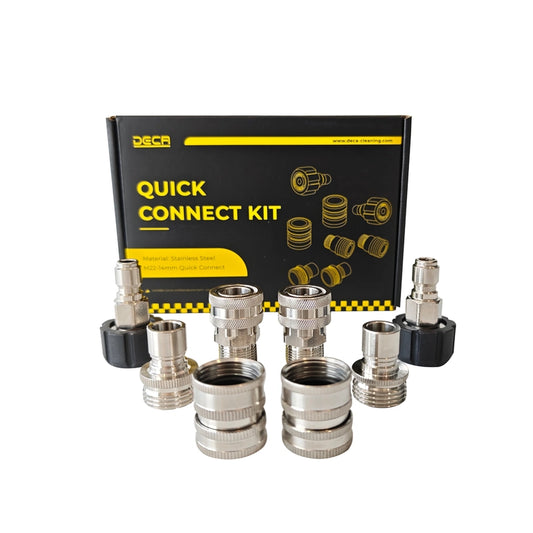
6. The Spray Gun or Quick Connect Is Restricted
Debris inside the spray gun, a partially seated quick-connect plug or a damaged fitting can interrupt water flow when the trigger is pulled.
Fix: Check that every connection is fully inserted and locked. Inspect the fittings and O-rings for dirt, wear or damage.
If the trigger valve sticks or the gun continues leaking after the trigger is released, stop using it and replace or service it according to the manufacturer’s instructions.

7. The Unloader Valve or Pump Needs Service
The unloader valve directs water when the trigger is released and allows the system to build working pressure when the trigger is pulled. If it sticks or is incorrectly adjusted, pressure may remain low or fluctuate.
Worn pump seals, valves or internal components can cause similar symptoms.
Fix: If the water supply, nozzle, filter, hose and gun are all functioning correctly, the machine may require professional inspection.
Do not adjust the unloader valve without the correct pressure gauge and manufacturer specifications. Incorrect adjustment can damage the pump or create unsafe pressure.
Quick Diagnosis Guide
| Symptom | Possible Cause |
|---|---|
| Pressure drops immediately and stays low | Insufficient water supply or oversized nozzle |
| Pressure repeatedly pulses | Trapped air, blocked inlet or inconsistent water flow |
| Spray pattern is uneven | Clogged or damaged nozzle |
| Water leaks near a connection | Loose fitting or damaged O-ring |
| Hose becomes flat or sharply bent | Restricted or damaged hose |
| Pressure remains low after external checks | Unloader valve or pump problem |
Safe Troubleshooting Order
For faster diagnosis, check the system in this order:
1.Water supply
2.Garden hose and inlet filter
3.Trapped air
3.Spray nozzle
4.High-pressure hose
5.Quick-connect fittings and spray gun
6.Unloader valve and pump
Always turn off the machine and release trapped pressure before disconnecting high-pressure components.

Check the Complete Pressure Washer System
A pressure washer system is only as reliable as its lowest-rated or most restricted component.
DECA offers high-pressure hoses, spray guns, nozzles and quick-connect fittings for different residential and professional cleaning setups. Before replacing a part, confirm:
-
Maximum working PSI
-
Required GPM
-
Hose diameter
-
Connector type and size
-
Water-temperature rating
A higher PSI rating does not automatically solve low pressure. Every component must be compatible, correctly connected and free from restrictions.
For a broader overview of pressure problems, read Pressure Washer Losing Pressure? 8 Common Causes and Solutions.
Final Thoughts
If a pressure washer loses pressure when the trigger is pulled, start with the water supply and nozzle before assuming the pump has failed.
Most external problems can be found by checking for restricted flow, trapped air, leaks and incorrect connections. If these checks do not restore stable pressure, stop using the machine and arrange professional service.


